
Tolstoy’s Family Prototypes in "War and Peace"
Did affection for members of his family influence Tolstoy’s characterizations in War and Peace? Comparison of the novel with the writer’s family history reveals preferential treatment of those with greater relatedness to him—excluding his autoportraits. It also explains many narrative gaps and curious devices, including coincidences, “fate,” and incest.
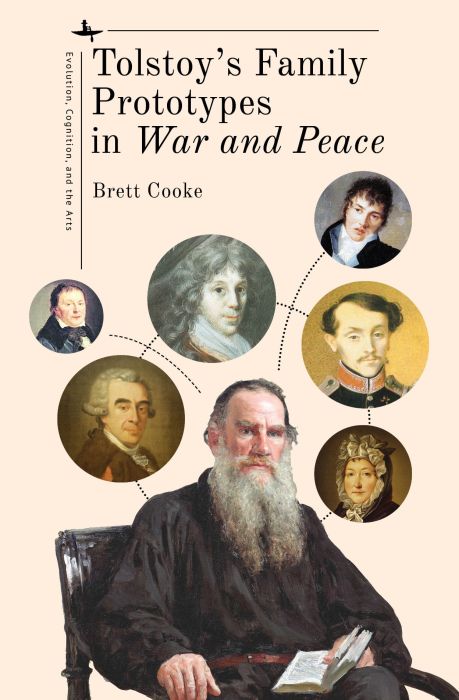
What were the consequences of Tolstoy’s unusual reliance on members of his family as source material for War and Peace? Did affection for close relatives influence depictions of these real prototypes in his fictional characters? Tolstoy used these models to consider his origins, to ponder alternative family histories, and to critique himself. Comparison of the novel and its fascinating drafts with the writer’s family history reveals increasing preferential treatment of those with greater relatedness to him: kin altruism, i.e., nepotism. This pattern helps explain many of Tolstoy’s choices amongst plot variants he considered, as well as some of the curious devices he utilizes to get readers to share his biases, such as coincidences, notions of “fate,” and aversion to incest.
About the author